Loading...
Blog
Fight Inequality Festival in Lahore Calls for a New Economy That Puts People Before Profit
Fight Inequality Festival in Lahore Calls for a New Economy That Puts People Before Profit
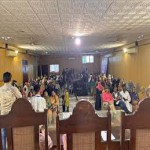
Published by Admin on Jul 4, 2026Crofter Foundation celebrated “the Fight Inequality Festival,” in collaboration with Fight Inequality Alliance Pakistan, which took place on 04 July 2026 at the HRCP Auditorium, Lahore, with artists, academics, farmers' leaders, trade unionists, students and civil society activists coming together to combat the rising crisis of inequality and argue against the traditional economic system and for alternatives that are people-centric.
The festival became a lively public space, where culture, ideas and people's movement converged to counter the challenge of the prevalent narrative of “inequality is inevitable”. Participants reiterated that inequality is caused by political and economic decisions and can be overcome by collective action and policies that focus on people and planet, rather than profit.
Speakers all evening discussed the nexus of today's issues of rising public debt, austerity, privatization of public facilities, corporate control over agriculture and the rising cost of living, which continue to exacerbate inequality in Pakistan. They called for a shift in the economic model, which focuses on enriching a privileged minority at the expense of many millions of people who are forced to survive on meagre wages, below-average incomes, or the sale of their labor.
Sharing the scene with the powerful poetry of Dr. Khalid Javed Jan, Baba Najmi and Irfan Comrade, they were able to share the aspirations and struggles of workers, peasants, women and the marginalised. Their poems brought the words of the people to remind the audience of the power of art to stand up for resistance against oppression and injustice.
An overpowering response was received from the audience on the special theatrical presentation of the play "Marya Hoya Kutta" of Ajoka Theatre. The play was a satire and a strong story which highlighted the paradoxes of power, inequality and social exclusion and reinforced the need for collective resistance.
The panel discussion featured prominent speakers in the realm of economic justice and examined viable options for an alternative economic system.
On debt justice, a member of the Committee for the Abolition of Illegitimate Debt (CADTM) Khaliq Shah, pointed out that the debt burden in Pakistan is on the rise and has become one of the major hurdles to development, resulting in the constant imposition of austerity measures which have negatively impacted investments in health, education, and social protection.
If we are to ensure quality public services and the rights of future generations, a country can't be trapped in debt and can't invest in its people, he said.
Dr. Fahad Ali said that it is important to consider measures other than the current economic policies, as economic growth will only exacerbate social inequalities if it is not accompanied by justice.
The true test of an economy is not its pockets of wealth, but whether everyone is able to live with dignity, he said, noting the need for a people-centered economy that ensures a living wage, universal public services, and fair taxation.
On agriculture and food sovereignty, Farooq Tariq, Executive Member of Pakistan Kissan Rabita Committee, cautioned against corporatization of farming and demanded measures to support the small farmers and rural communities.
“Small farmers, sustainable agriculture and democratic control of land and food systems is the way to Pakistan's future; corporate farming is a threat to both livelihoods and food sovereignty”, he concluded.
National Coordinator of Fight Inequality Alliance Pakistan, Haris Ahmad Khan, stressed that the problems faced in Pakistan are not distinct from the global systems that are focused on the accumulation of wealth and power.
The Fight Inequality Festival shows that people are not just challenging injustice; they are working to build alternatives: alternatives to debt cancellation; alternatives to tax injustice; alternatives to living wages; alternatives to free public healthcare; alternatives to good education; and alternatives to sustainable farming—alternatives to an economy that serves the privileged few instead of the 99 percent.
Participants also spoke about the alternatives in the real lives of people to the cost-of-living crisis, such as progressive taxation, universal social protection, investments in public education and healthcare, canceling out debts for developing countries, protection of workers’ rights, and support for agroecological farming rather than corporate-driven agriculture.
The festival ended with renewed determination among the organizations, artists, and activists involved to do more to build collaboration between social movements, and to continue developing a broader movement that can help to change the systems that cause inequality.
Other Posts
 Published on Apr 28, 2024
climate change disasters
Climate change significantly impacts food security through a variety of direct and indirect pathways. Extreme weather ev...
 Published on Apr 28, 2024
Land reforms disaster
Land reforms are critical in addressing historical injustices, promoting equitable access to land, and fostering agricul...
 Published on Jun 15, 2024
Fossil Fuels impact on planet
Burning fossil fuels releases large amounts of carbon dioxide (CO2) and other greenhouse gases, contributing to global w...
 Published on Jun 20, 2024
Policy making for farmers
Policy-making for farmers is a critical aspect of ensuring sustainable agriculture, improving livelihoods, and fostering...
 Published on Apr 28, 2025
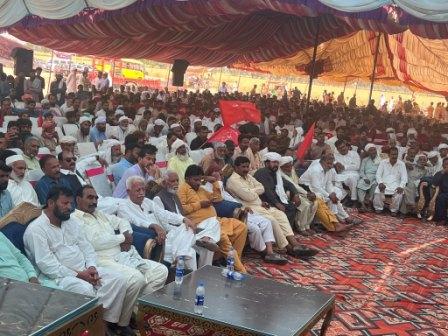
Nationwide Protests Erupt Against Corporate Farming, Water Grabbing, Wheat Pricing & PASSCO Privatization
In a historic show of resistance, the Pakistan Kissan Rabita Committee (PKRC), organized nationwide protests in over 30...
 Published on Jan 5, 2026
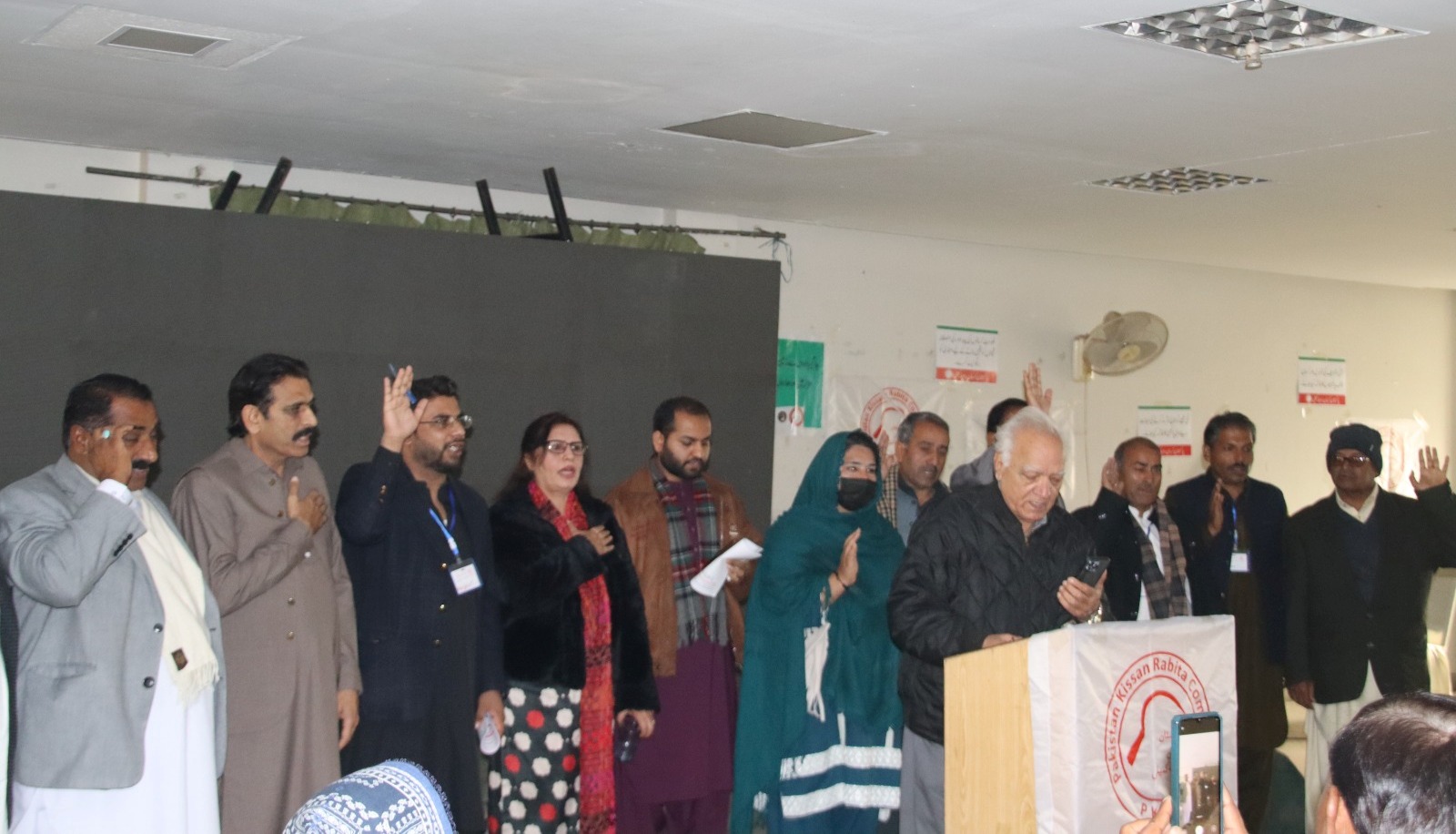
Fourth Federal Congress of Pakistan Kissan Rabita Committee
Building a United and Democratic Peasant Movement in Pakistan <br> The Fourth Federal Congress of the Pakistan Kissan...
 Published on Jan 21, 2026
Basti Sheikhhan, Taunsa Barrage: PKRC Condemns State Terror and Aggression Against Indigenous Fishing Communities
<br> Lahore: Pakistan Kissan Rabita Committee (PKRC) strongly and unequivocally condemns the ongoing illegal, coercive,...
 Published on Mar 9, 2026
PKRC Condemns Massive Fuel Price Hike, Demands Immediate Reversal
The Pakistan Kissan Rabita Committee (PKRC) strongly condemns the government’s decision to increase petroleum prices by...
 Published on Mar 26, 2026
“We will lay down our lives, but will not give up even an inch of our land”
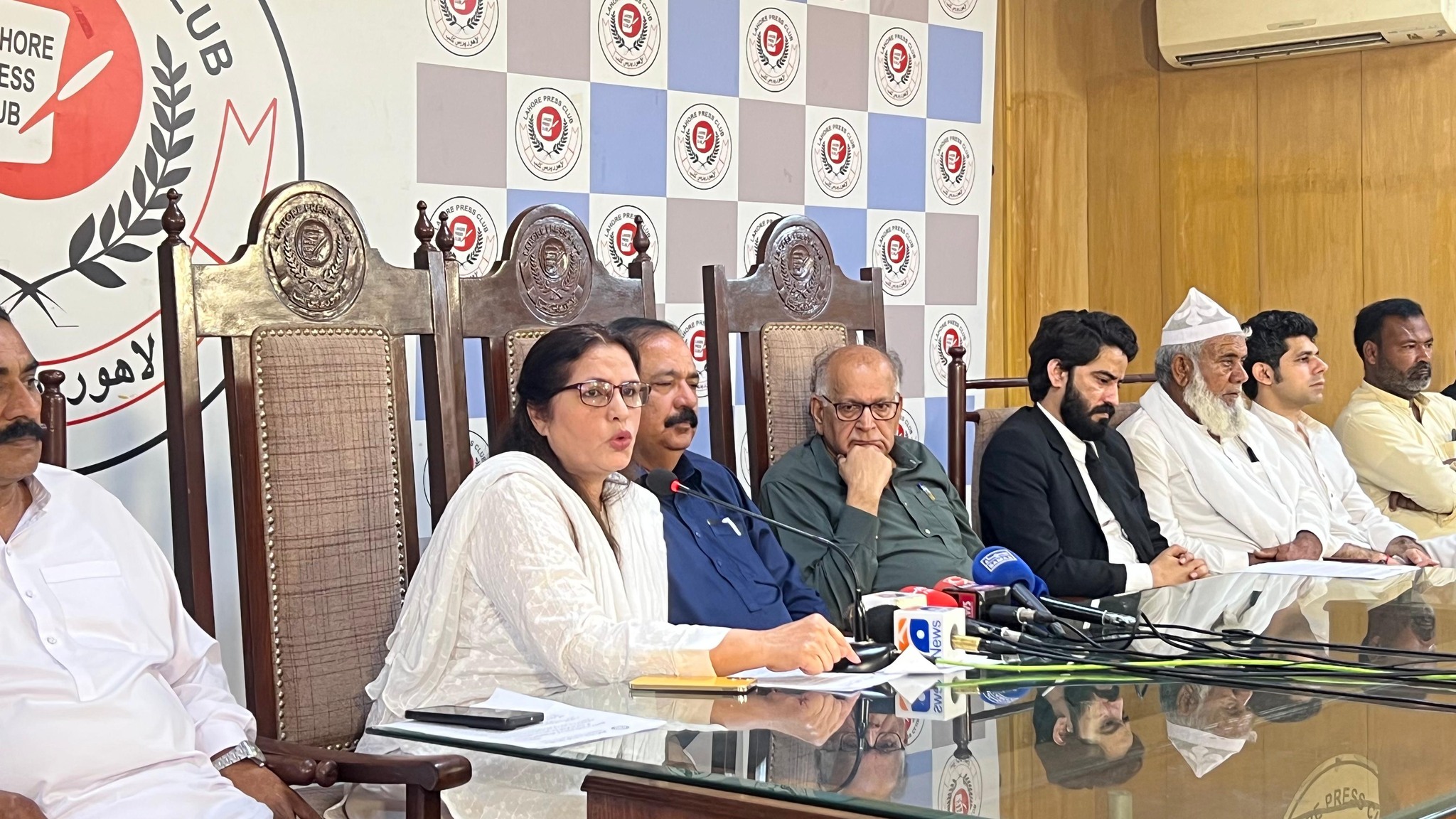
Nationwide protests to be held at over 100 locations on April 17 against corporate farming: PKRC <br> Leaders of the P...
 Published on Jul 1, 2026
More Than 50 Organizations Demand Immediate Withdrawal of Eviction Notices Served on Punjab's Tenant Farmers
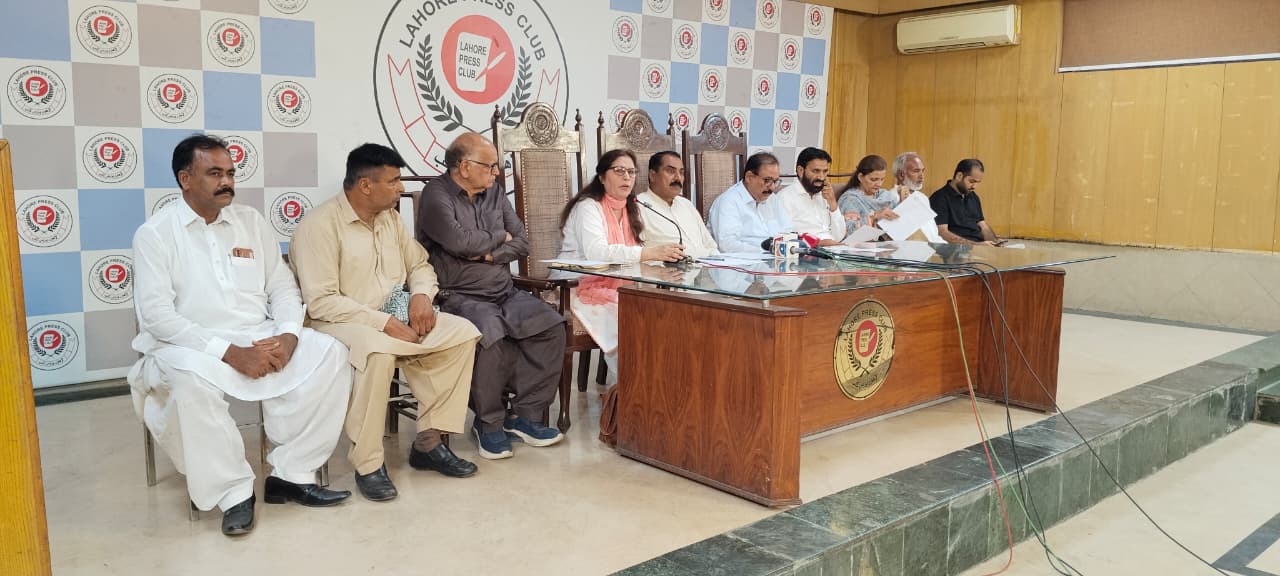
1 July 2026 - Press Club, Lahore - Crofter Foundation and Pakistan Kissan Rabita Committee gathered more than 50 organ...
Similar Events

PKRC is a network of 26 small peasant organisations in Pakistan. It became a member of La Via Campesina in 2017, the only Pakistani peasant organisation that is a member of this international platform.